Skip to content
Carmelics
TopicsThinkersChangesContributorsLoading account…

    Carmelics

    A reasoning platform. Break down any belief into clear reasons, explore both sides, and weigh the evidence honestly.

    Navigate

    • Topics
    • Search
    • Recent Changes
    • Contribute
    • How It Works
    • Glossary
    • Thinkers
    • Contributors
    • About
    • Statistics
    • Terms
    • Privacy

    Database

    Statements
    —
    Perspectives
    —
    Topics
    —

    Press ? for keyboard shortcuts

    LoyalLoyalJusticeJustice
    Made withinDC&Austin
    Statements
    321,452
    Perspectives
    108,905
    Topics
    42
    C.D. Broad — Carmelics
    Thinkers/C.D. Broad
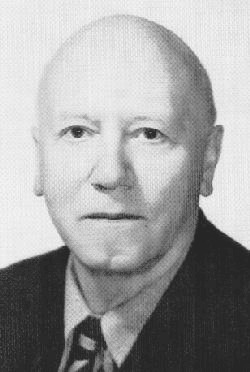
    C.D. Broad

    C.D. Broad

    contemporaryAnalytic Philosophy

    1887 – 1971

    Charlie Dunbar Broad (1887–1971) was a British analytic philosopher at Cambridge whose meticulous, systematic style made him one of the most careful philosophical expositors of his era. He made significant contributions to the philosophy of time, philosophy of mind, perception, and ethics, and produced a definitive two-volume examination of McTaggart's metaphysics. His willingness to take seriously unorthodox positions—including psychical research—distinguished him from most contemporaries.

    WWikipediaSEPStanford Encyclopedia

    Notable Achievements

    1

    Produced the authoritative critical analysis of McTaggart's A-series/B-series theory of time in 'An Examination of McTaggart's Philosophy' (1933–38)

    2

    Developed a sophisticated theory of perception and sense-data in 'Scientific Thought' (1923) and 'The Mind and Its Place in Nature' (1925)

    3

    Systematized and clarified debates in philosophy of mind, coining or refining terms still in use (e.g., 'emergentism')

    4

    Contributed rigorous analysis to moral philosophy in 'Five Types of Ethical Theory' (1930)

    5

    Served as Knightbridge Professor of Moral Philosophy at Cambridge (1933–53) and president of the Society for Psychical Research

    Positions & Arguments(1)

    Divine Attributes

    claim

    The objection that a time t is not simultaneously future and past — but rather was future at some past moment and will be past at some future moment — fails to resolve the contradiction in the A series

    At a Glance

    Ideas

    1

    Topics

    1

    Era

    contemporary

    Tradition

    Analytic Philosophy

    Topic Influence

    Divine Attributes1

    Related Thinkers

    Thomas Aquinas1 sharedAristotle1 sharedAugustine1 sharedAugustine of Hippo1 sharedImmanuel Kant1 sharedPlotinus1 sharedProclus1 sharedAl-Farabi1 shared

    Dive Deeper

    Explore Divine Attributes→