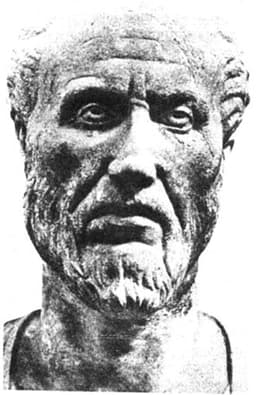
Dionysius the Areopagite
ancientChristian NeoplatonismDionysius the Areopagite is the name associated with a corpus of late-antique mystical theological writings (c. 500 CE) that synthesize Christian theology with Neoplatonic philosophy; the author, likely writing under the pseudonym of Paul's Athenian convert (Acts 17:34), remains unknown. His texts — including The Divine Names and The Mystical Theology — established the foundational frameworks for both apophatic (negative) theology and hierarchical cosmology in Christian thought. He argued that God's radical simplicity and transcendence place the divine beyond all composite predication, making the via negativa the most rigorous path to theological truth.
Notable Achievements
1
Developed the systematic framework for apophatic theology, arguing God transcends all affirmative and negative predication
2
Synthesized Christian theology with Proclean Neoplatonism in the Corpus Dionysiacum
3
Articulated the celestial and ecclesiastical hierarchies as ordered models of participation in the divine
4
Profoundly influenced Thomas Aquinas, John Scottus Eriugena, Meister Eckhart, and the broader medieval mystical tradition
5
Distinguished the three theological paths — affirmative, negative, and the way of eminence — shaping scholastic method