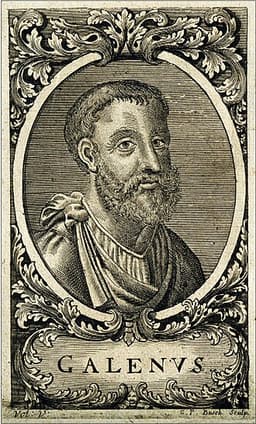
Galen
ancientAncient Greek Philosophy and Medicine129 – 216
Galen of Pergamon (c. 129–216 CE) was a Greek physician, anatomist, and philosopher who served as the preeminent medical authority of antiquity. Working in the Roman Empire, he synthesized Hippocratic and Platonic traditions into a comprehensive medical and natural philosophy that dominated Western and Islamic medicine for over a millennium. His philosophical writings engaged with questions of teleology, the soul, and the relationship between medicine and philosophy.
Notable Achievements
1
Systematized humoral theory and Hippocratic medicine into the dominant medical framework of the ancient and medieval world
2
Conducted pioneering anatomical and physiological research through dissection, establishing foundational accounts of the nervous, arterial, and venous systems
3
Developed a teleological natural philosophy arguing that the body's design demonstrates providential rational order
4
Wrote philosophical treatises on the soul, logic, and the epistemology of medicine, engaging Plato, Aristotle, and the Stoics
5