Skip to content
Carmelics
TopicsThinkersChangesContributorsLoading account…

    Carmelics

    A reasoning platform. Break down any belief into clear reasons, explore both sides, and weigh the evidence honestly.

    Navigate

    • Topics
    • Search
    • Recent Changes
    • Contribute
    • How It Works
    • Glossary
    • Thinkers
    • Contributors
    • About
    • Statistics
    • Terms
    • Privacy

    Database

    Statements
    —
    Perspectives
    —
    Topics
    —

    Press ? for keyboard shortcuts

    LoyalLoyalJusticeJustice
    Made withinDC&Austin
    Statements
    321,452
    Perspectives
    108,905
    Topics
    42
    Heinrich Rickert — Carmelics
    Thinkers/Heinrich Rickert
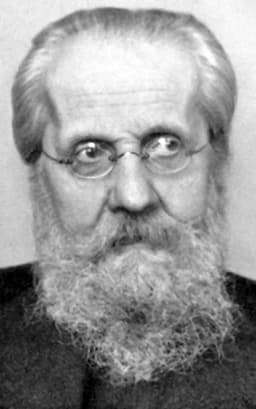
    Heinrich Rickert

    Heinrich Rickert

    modernNeo-Kantianism (Southwest/Baden School)

    1863 – 1936

    Heinrich Rickert (1863–1936) was a German philosopher and leading figure of the Southwest (Baden) Neo-Kantian school, succeeding Wilhelm Windelband at the University of Heidelberg. He developed a systematic value-theoretic philosophy that grounded the distinction between the natural sciences and the cultural/historical sciences in their differing relationships to values. His methodology profoundly influenced Max Weber's concept of value-relevance in social science.

    WWikipedia

    Notable Achievements

    1

    Developed the nomothetic/idiographic distinction, arguing natural sciences generalize while cultural sciences individualize

    2

    Established value theory (Wertphilosophie) as the foundation for the cultural sciences

    3

    Articulated the concept of 'value-relevance' (Wertbeziehung), later adopted by Max Weber in social science methodology

    4

    Authored The Limits of Concept Formation in Natural Science (1896–1902), a foundational work in philosophy of science

    5

    Shaped the Southwest Neo-Kantian school's systematic idealist approach to consciousness and transcendent value

    Positions & Arguments(1)

    Natural Theology

    claim

    We can rationally believe both ourselves and God to be mental in nature from a practical point of view.

    Truth & Knowledge

    claim

    We can rationally believe both ourselves and God to be mental in nature from a practical point of view.

    At a Glance

    Ideas

    1

    Topics

    2

    Era

    modern

    Tradition

    Neo-Kantianism (Southwest/Baden School)

    Topic Influence

    Truth & Knowledge1
    Natural Theology1

    Related Thinkers

    Immanuel Kant2 sharedDavid Hume2 sharedBertrand Russell2 sharedAristotle2 sharedPlato2 sharedRené Descartes2 sharedDavid Hilbert2 sharedG.W.F. Hegel2 shared

    Dive Deeper

    Explore Truth & Knowledge→See Natural Theology→