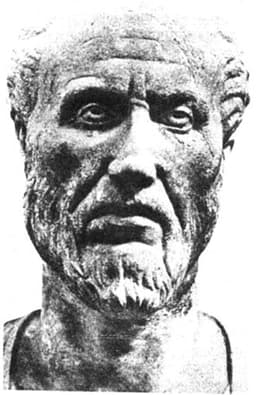
Pseudo-Dionysius the Areopagite
ancientChristian NeoplatonismPseudo-Dionysius the Areopagite is the pseudonym of an unknown Christian theologian writing around 500 CE who falsely identified himself as the Dionysius converted by Paul in Athens (Acts 17:34). Drawing heavily on the Neoplatonism of Proclus, the author synthesized Greek philosophical categories with Christian theology to produce foundational texts on divine names, celestial hierarchy, and mystical union. The Dionysian corpus became one of the most influential bodies of theological writing in both Eastern and Western Christianity throughout the medieval period.
Notable Achievements
1
Developed systematic apophatic (negative) theology, arguing that God transcends all positive predication and conceptual categories
2
Systematized Christian angelology in The Celestial Hierarchy, establishing the nine-fold ordering of angelic beings that shaped medieval cosmology
3
Introduced the concept of theosis (deification) into Latin Western theology, influencing Aquinas, Bonaventure, and Eckhart
4
Authored The Mystical Theology, the foundational text of Christian mystical tradition and the via negativa
5