Skip to content
Carmelics
TopicsThinkersChangesContributorsLoading account…

    Carmelics

    A reasoning platform. Break down any belief into clear reasons, explore both sides, and weigh the evidence honestly.

    Navigate

    • Topics
    • Search
    • Recent Changes
    • Contribute
    • How It Works
    • Glossary
    • Thinkers
    • Contributors
    • About
    • Statistics
    • Terms
    • Privacy

    Database

    Statements
    —
    Perspectives
    —
    Topics
    —

    Press ? for keyboard shortcuts

    LoyalLoyalJusticeJustice
    Made withinDC&Austin
    Statements
    321,452
    Perspectives
    108,905
    Topics
    42
    William Alston — Carmelics
    Thinkers/William Alston
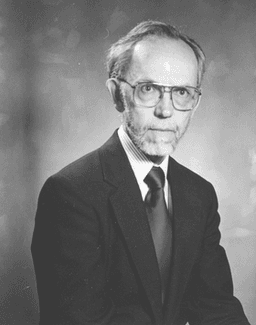
    William Alston

    William Alston

    contemporaryAnalytic Philosophy, Reformed Epistemology

    1921 – 2009

    William P. Alston (1921–2009) was an American philosopher of language and religion, best known for his work on epistemic justification and religious epistemology. He developed the influential theory of 'doxastic practice' to argue that perception of God can be epistemically on par with ordinary sense perception. His contributions span philosophy of language, theory of knowledge, and the rationality of religious belief.

    WWikipediaSEPStanford EncyclopediaIEPInternet Encyclopedia

    Notable Achievements

    1

    Developed the doxastic practice approach to epistemic justification in 'Perceiving God' (1991)

    2

    Argued for the epistemic parity of Christian mystical perception and ordinary sense perception

    3

    Made foundational contributions to speech act theory and philosophy of language

    4

    Advanced internalism/externalism debates in epistemology

    5

    Co-founded the Society of Christian Philosophers and the journal Faith and Philosophy

    Positions & Arguments(3)

    Religious Experience

    claim

    Particular salvific events are ontologically necessary but not epistemically necessary for salvation.

    Perception

    claim

    Experiences with any kind of content (including nonconceptual) can stand in evidential relations to beliefs.

    Truth & Knowledge

    claim

    Testimonial justification can be generated through a chain of testimony even when the transmitting testifier lacks justified belief

    At a Glance

    Ideas

    3

    Topics

    3

    Era

    contemporary

    Tradition

    Analytic Philosophy, Reformed Epistemology

    Topic Influence

    Truth & Knowledge1
    Perception1
    Religious Experience1

    Related Thinkers

    Immanuel Kant2 sharedAristotle2 sharedBertrand Russell2 sharedDavid Hume2 sharedPlato2 sharedRené Descartes2 sharedHarris2 sharedHerder2 shared

    Dive Deeper

    Explore Truth & Knowledge→See Perception→