Skip to content
Carmelics
TopicsThinkersChangesContributorsLoading account…

    Carmelics

    A reasoning platform. Break down any belief into clear reasons, explore both sides, and weigh the evidence honestly.

    Navigate

    • Topics
    • Search
    • Recent Changes
    • Contribute
    • How It Works
    • Glossary
    • Thinkers
    • Contributors
    • About
    • Statistics
    • Terms
    • Privacy

    Database

    Statements
    —
    Perspectives
    —
    Topics
    —

    Press ? for keyboard shortcuts

    LoyalLoyalJusticeJustice
    Made withinDC&Austin
    Statements
    321,452
    Perspectives
    108,905
    Topics
    42
    Alois Riehl — Carmelics
    Thinkers/Alois Riehl
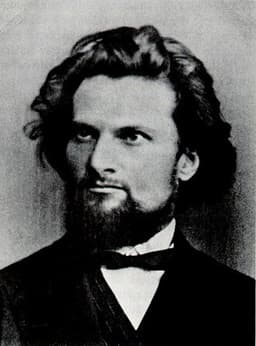
    Alois Riehl

    Alois Riehl

    modernNeo-Kantianism, Critical Realism

    1844 – 1924

    Alois Riehl (1844–1924) was an Austrian-German philosopher and leading figure in the realist wing of neo-Kantianism. He developed a form of critical realism that sought to reconcile Kantian epistemology with scientific empiricism, arguing that things-in-themselves are causally real even if unknowable in their intrinsic nature. His multi-volume work *Der philosophische Kritizismus* established him as a systematic defender of critical philosophy against both idealism and naive realism.

    WWikipedia

    Notable Achievements

    1

    Authored Der philosophische Kritizismus (3 vols., 1876–1887), the definitive neo-Kantian critical realist system

    2

    Distinguished the realist wing of neo-Kantianism from the idealist Marburg and Southwest schools

    3

    Defended a causal theory of perception compatible with scientific naturalism

    4

    Held chairs at Graz, Kiel, Freiburg, and Berlin, shaping German academic philosophy across generations

    5

    Advanced a methodological distinction between philosophy and natural science that influenced later analytic epistemology

    Positions & Arguments(1)

    Philosophy of Language

    claim

    We must distinguish between the radical empiricist's meaning of 'meaning' (epistemic reduction) and a more common-sensical meaning of 'meaning' (factual reference).

    Truth & Knowledge

    claim

    We must distinguish between the radical empiricist's meaning of 'meaning' (epistemic reduction) and a more common-sensical meaning of 'meaning' (factual reference).

    At a Glance

    Ideas

    1

    Topics

    2

    Era

    modern

    Tradition

    Neo-Kantianism, Critical Realism

    Topic Influence

    Truth & Knowledge1
    Philosophy of Language1

    Related Thinkers

    Immanuel Kant2 sharedDavid Lewis2 sharedBertrand Russell2 sharedBrian Skyrms2 sharedDavid Hume2 sharedStathis Psillos2 sharedAristotle2 sharedBas van Fraassen2 shared

    Dive Deeper

    Explore Truth & Knowledge→See Philosophy of Language→