Skip to content
Carmelics
TopicsThinkersChangesContributorsLoading account…

    Carmelics

    A reasoning platform. Break down any belief into clear reasons, explore both sides, and weigh the evidence honestly.

    Navigate

    • Topics
    • Search
    • Recent Changes
    • Contribute
    • How It Works
    • Glossary
    • Thinkers
    • Contributors
    • About
    • Statistics
    • Terms
    • Privacy

    Database

    Statements
    —
    Perspectives
    —
    Topics
    —

    Press ? for keyboard shortcuts

    LoyalLoyalJusticeJustice
    Made withinDC&Austin
    Statements
    321,452
    Perspectives
    108,905
    Topics
    42
    Carl Gustav Hempel — Carmelics
    Thinkers/Carl Gustav Hempel
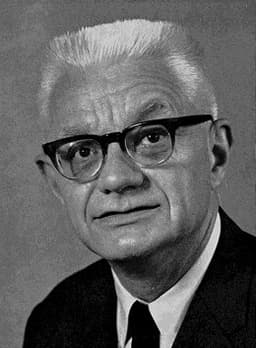
    Carl Gustav Hempel

    Carl Gustav Hempel

    contemporaryLogical Empiricism

    1905 – 1997

    Carl Gustav Hempel (1905–1997) was a German-American philosopher of science and a central figure in logical empiricism. Trained in Berlin and associated with the Vienna Circle, he made foundational contributions to the theory of scientific explanation, confirmation, and the logic of empirical significance. His work shaped analytic philosophy of science throughout the twentieth century.

    WWikipediaSEPStanford EncyclopediaIEPInternet Encyclopedia

    Notable Achievements

    1

    Developed the deductive-nomological (covering-law) model of scientific explanation

    2

    Formulated the raven paradox, a landmark problem in confirmation theory

    3

    Critiqued the verificationist criterion of cognitive significance from within empiricism

    4

    Introduced the inductive-statistical model of probabilistic explanation

    5

    Authored Aspects of Scientific Explanation (1965), a defining text in philosophy of science

    Positions & Arguments(1)

    Philosophy of Language

    claim

    We must distinguish between the radical empiricist's meaning of 'meaning' (epistemic reduction) and a more common-sensical meaning of 'meaning' (factual reference).

    Truth & Knowledge

    claim

    We must distinguish between the radical empiricist's meaning of 'meaning' (epistemic reduction) and a more common-sensical meaning of 'meaning' (factual reference).

    At a Glance

    Ideas

    1

    Topics

    2

    Era

    contemporary

    Tradition

    Logical Empiricism

    Topic Influence

    Truth & Knowledge1
    Philosophy of Language1

    Related Thinkers

    Immanuel Kant2 sharedDavid Lewis2 sharedBertrand Russell2 sharedBrian Skyrms2 sharedDavid Hume2 sharedStathis Psillos2 sharedAristotle2 sharedBas van Fraassen2 shared

    Dive Deeper

    Explore Truth & Knowledge→See Philosophy of Language→