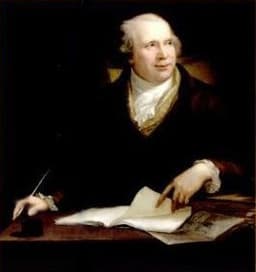
1747 – 1803
Marcus Herz was a German-Jewish physician and philosopher, best known as a student and important correspondent of Immanuel Kant. His 1771 dissertation on the sensible and intelligible world was defended under Kant's presidency, and Kant's landmark 1772 letter to Herz is considered a pivotal document in the genesis of the Critique of Pure Reason. Herz developed his own aesthetic theory that diverged from Kant's, particularly regarding judgments of taste and the role of material qualities in beauty.
Key correspondent of Kant whose exchanges shaped the development of the Critique of Pure Reason
Defended an aesthetic theory allowing material qualities a role in judgments of beauty, contra Kant's formalism
Authored Betrachtungen aus der Philosophie über die Natur des Menschen (1771)
Prominent Berlin physician who bridged Enlightenment philosophy and medical practice
Hosted an influential intellectual salon in Berlin alongside his wife Henriette Herz
Individuals differ in their response to matter but not to form
premiseThese two positions are incompatible on the question of whether variation in taste is admissible
claimKant's restriction of pure judgments of taste to form alone constitutes an implicit criticism of Herz's theory
premiseForm must always be realized in matter
premiseWhat is grounded solely in form admits no individual variation
claimGeneral principles of beautiful form are objective but not completely determinate, thus allowing for differences of taste even though beauty is objective
premiseBecause matter varies in its reception across individuals, the realization of form introduces indeterminacy
premiseIndividuals differ more in their response to matter than to form
premiseKant restricted pure judgments of taste to form alone to guarantee unanimity rather than accepting variation
premisePure judgments of taste are restricted to form alone
claimPure judgments of taste can guarantee unanimity across individuals
premiseHerz accepted variation in taste as compatible with the objectivity of beauty by appealing to matter
claimShakespeare was doing fundamentally the same thing as Sophocles despite producing superficially different drama.